
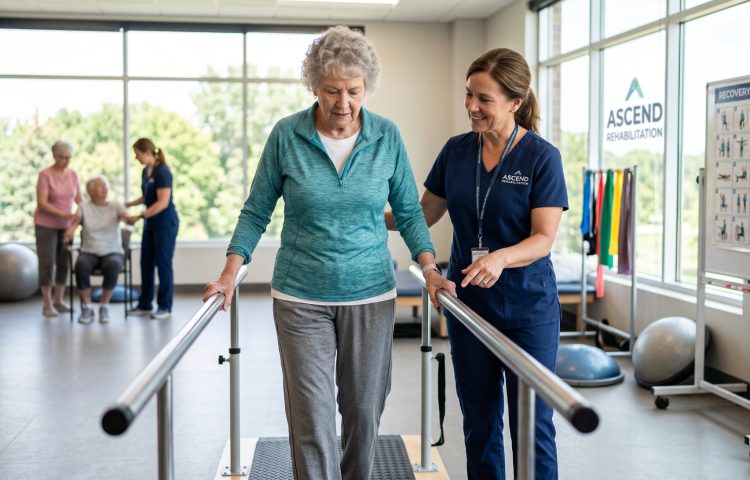
Recovering from a hip replacement is an important step toward regaining mobility, reducing pain, and returning to the activities that make daily life enjoyable. While the surgery itself is a significant milestone, the healing process continues well beyond the hospital stay.
A structured rehabilitation program helps restore strength, improve balance, and build the confidence needed to move safely and independently. Many patients and their families ask the same question after surgery: How long does rehab take after hip replacement?
The answer depends on several factors, including overall health, age, activity level, and how consistently physical therapy is followed. Understanding what recovery typically looks like can help set realistic expectations and prepare both patients and caregivers for the weeks ahead.
What is Physical Therapy after Hip Replacement?
Physical therapy after hip replacement is a personalized rehabilitation program designed to help patients recover strength, flexibility, balance, and mobility after surgery. It begins shortly after the procedure.
Therapy continues through each stage of recovery until patients can safely return to their everyday routines. It focuses on much more than exercising the new joint. It teaches patients how to move safely during recovery.
Therapy also reduces the risk of complications, improves walking mechanics, and helps restore independence. Every rehabilitation plan is tailored to the individual’s condition, recovery goals, and progress.
At Ascend Rehabilitation, therapy is built around each person’s unique needs. Experienced therapists provide compassionate guidance throughout the recovery process. They also help patients regain confidence with every milestone they achieve.
How Long does Rehab take after Hip Replacement?
The recovery timeline varies for every individual, but most patients follow a similar progression during the first three months after surgery. While many people notice significant improvements within six to twelve weeks, complete recovery can continue for six months to one year.
Several factors influence how quickly rehabilitation progresses. Recovery depends on age, overall health, muscle strength, commitment to therapy, and existing health conditions. Consistent physical therapy helps improve mobility, function, and confidence.
Week-by-Week Hip Replacement Recovery Timeline
Recovery after hip replacement happens gradually, with each stage bringing new improvements in strength and mobility. Knowing what to expect during each phase can help patients and families feel more prepared and confident throughout the rehabilitation journey.
While every recovery is different, following a structured rehabilitation plan and staying consistent with physical therapy can help support steady progress.
Days 1 Through 3 after Surgery
Rehabilitation begins almost immediately after surgery. Many patients stand and take assisted steps within the first day to improve circulation and reduce the risk of complications. Physical therapists introduce gentle exercises to improve early mobility.
They also teach patients how to get in and out of bed, sit in a chair, and walk safely with a walker or another assistive device. Although discomfort is common during these first few days, movement becomes easier as confidence grows.
Week 1
The first week focuses on safe mobility and effective pain management. Patients gradually increase their walking distance while therapists monitor balance and movement. Exercises strengthen the muscles around the hip without placing stress on the healing joint. Patients also learn how to protect their new hip while performing everyday activities safely.
Weeks 2 Through 4
During this stage, patients begin moving more comfortably and often become more independent. Walking improves, and some people transition from a walker to a cane with their healthcare provider’s approval.
Physical therapy becomes more challenging with strength, balance, and flexibility exercises. Daily activities such as climbing stairs, dressing, and preparing meals also become easier as recovery progresses.
Weeks 4 Through 6
By this stage, many patients notice significant improvements in mobility and comfort. Walking becomes more natural, and reliance on assistive devices continues to decrease. Therapy focuses on building muscle strength and improving coordination.
It also helps increase stability through functional exercises. Even with steady progress, following the rehabilitation plan remains important because the new joint is still healing.
Weeks 6 Through 12
This stage often marks a major improvement in recovery. Patients walk longer distances, complete daily tasks more easily, and continue building endurance. Therapy progresses with exercises that strengthen the hips, legs, and core while improving balance and stability. Many people also return to low-impact activities such as walking, cycling, or swimming with approval from their healthcare team.
Months 3 Through 6
By the third month, many patients return to most daily activities with greater comfort and confidence. Walking, climbing stairs, and participating in light hobbies become easier. However, recovery continues as muscles grow stronger and flexibility improves. Advanced therapy exercises help build endurance, improve coordination, and support long-term mobility.
Months 6 Through 12
Healing often continues for up to one year after surgery. During this time, the body continues adapting to the new joint while strength and coordination improve. Many patients comfortably return to activities such as walking, swimming, golfing, and traveling. Staying active through regular exercise helps maintain joint health and supports long-term mobility.
Recovery after hip replacement is a gradual process, and every milestone brings patients closer to greater independence. With consistent physical therapy and the right support, many people regain strength, confidence, and the ability to enjoy their everyday activities once again.
How Long does Short-Term Rehab Take after Hip Replacement?
One of the most common questions families ask is whether a loved one will need short-term rehabilitation after leaving the hospital. The answer depends on each patient’s medical condition and level of independence.
Some recover safely at home with outpatient therapy, while others need skilled nursing or inpatient rehabilitation. For patients admitted to short-term rehabilitation, the average stay typically ranges from one to three weeks.
During this time, patients receive daily physical therapy, assistance with daily activities, nursing support, and close medical supervision. The goal of short-term rehabilitation is to help patients safely transition back home.
Therapists monitor progress each day and adjust treatment plans as strength and mobility improve. Patients who require additional time because of medical conditions, balance concerns, or limited mobility may remain longer until they can safely return home.
Benefits of Inpatient Rehabilitation after Hip Replacement
Recovering in a rehabilitation center provides older adults and individuals with additional health concerns the support needed for a safe recovery. Daily therapy sessions help improve walking ability, rebuild strength, restore balance, and practice everyday activities.
A coordinated care team monitors pain management, incision healing, medications, and overall progress. This allows concerns to be identified early and helps support a smoother healing journey.
Beyond physical recovery, inpatient rehabilitation also provides encouragement and confidence. Having skilled professionals and a supportive environment helps patients regain independence and return to daily life with greater comfort.
Tips for a Successful Hip Replacement Recovery
Recovering successfully requires patience and consistency. Following the rehabilitation plan developed by the therapy team helps patients achieve the best possible outcome. Attend every therapy session and perform recommended exercises as instructed.
Staying active within safe limits helps improve strength while preventing unnecessary stiffness. Follow all precautions provided by the surgeon and therapist. Using assistive devices until they are no longer needed reduces the risk of falls and supports proper healing.
Maintain a healthy diet, stay hydrated, and get enough rest to support the body’s natural healing process. Most importantly, celebrate steady progress rather than expecting immediate results. Recovery happens gradually. Each milestone brings patients closer to their normal routines.
Choosing the Best Rehab after Hip Replacement in Minnesota
Choosing the best rehab after hip replacement in Minnesota means finding a provider that offers personalized care, experienced therapists, and consistent support throughout recovery. A strong rehabilitation program focuses on each person’s individual goals.
It includes physical therapy, balance training, and mobility exercises. It also provides safe transition planning to help individuals return home with confidence.
At Ascend Rehabilitation, our team creates individualized recovery plans for each patient. We help them rebuild strength, confidence, and independence through compassionate care and personalized guidance. Contact us or schedule an appointment to learn more.
Frequently Asked Questions
When can I walk normally after hip replacement surgery?
Most patients improve their walking within the first few weeks, but returning to a natural walking pattern may take several months as strength, balance, and confidence improve.
What exercises should be avoided after hip replacement?
High-impact activities, deep bending, twisting movements, or exercises not approved by your healthcare team should be avoided during early recovery to protect the healing joint.
Can physical therapy prevent complications after hip replacement?
Yes. Physical therapy helps improve strength, balance, and safe movement patterns, which can reduce the risk of falls and other recovery challenges.
Do older adults recover differently after hip replacement?
Older adults may need more time to rebuild strength and confidence, especially if they have other health conditions. A personalized rehabilitation plan helps support safe progress.
What should I look for in a hip replacement rehabilitation program?
A quality program should provide personalized therapy, experienced guidance, mobility training, and support that helps patients safely return to daily activities.